Ada Lovelace
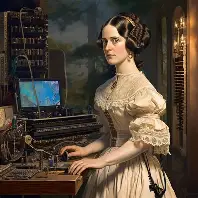
Ada Lovelace is known as the first computer programmer. She wrote the first algorithm intended for a mechanical computer in the 1800s. Her ideas were far ahead of her time and laid the foundation for modern programming. Ada's vision was what really set her apart. She recognized that machines were capable of much more than basic math and projected that, with the correct guidance, computers would eventually be able to produce complex patterns, music, and art. Her concepts were well ahead of their time, establishing the groundwork for contemporary programming and influencing our current understanding of computers.
Learn More:
Grace Hopper
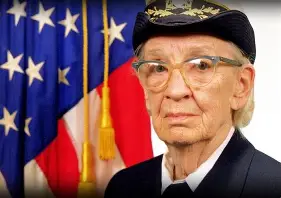
Grace Hopper was a pioneer in computer programming. She invented the first compiler, helped create COBOL, and popularized the term “debugging.” Her impact shaped the structure of modern languages.Additionally, Hopper was a key contributor to the creation of COBOL, one of the first high-level programming languages created to assist companies in creating programs with syntax similar to that of English. Along with her technical accomplishments, she is credited with popularizing the term "debugging" after eliminating an error-causing moth from a computer. Her work significantly altered how people interact with computers and laid the groundwork for many of the programming languages and concepts that are still in use today.
Learn More:
Margaret Hamilton
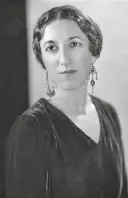
Margaret Hamilton led the team that developed the Apollo 11 flight software for NASA. Her code helped land humans on the moon safely. She is credited with popularizing the term “software engineering. Her efforts helped the system prioritize the most crucial tasks, enabling the astronauts to safely land. Hamilton is also credited with popularizing the term "software engineering" by highlighting the need for the same level of discipline and rigor as traditional engineering fields when writing complex software. Her contributions influenced the direction of software development in addition to making the moon landing feasible.